NEED A SATURDAY APPOINTMENT?
We are Open on Saturdays. (Consultations & surgery offered)
Call us today to book your appointment!
We are Open on Saturdays. (Consultations & surgery offered)
Call us today to book your appointment!
 Mon - Fri: 8:00AM - 5:00PM
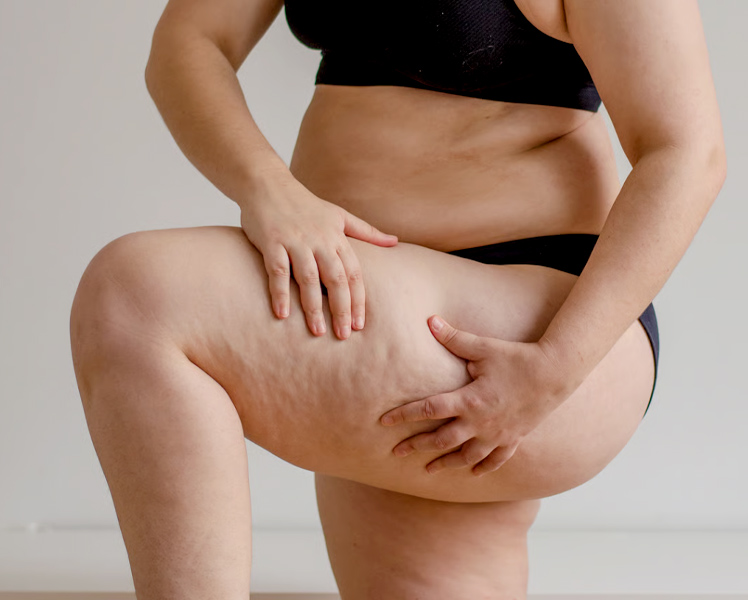
Lipedema is a chronic, often hereditary condition characterized by the symmetrical accumulation of adipose tissue, primarily within the extremities. This tissue is notably resistant to traditional diet and exercise interventions. Affecting almost exclusively women, the condition frequently presents with increased tissue sensitivity, a sensation of heaviness, and persistent tenderness. Additionally, patients may experience easy bruising and localized swelling that tends to become more pronounced throughout the day.


Lipedema is a chronic medical condition characterized by a symmetric buildup of adipose tissue (fat) in the legs and arms. A common but under recognized disorder, lipedema may cause pain, swelling, and easy bruising. It may be accompanied by an unusual texture within the fat that can feel like rice, peas, or walnuts beneath the surface of the skin.
Lipedema occurs almost exclusively in females, with rare reports of development in men. Although believed to be prevalent, the exact incidence is not known.
The causes of lipedema are not well understood. It is reported to start or worsen during puberty and other periods of hormonal changes, such as pregnancy and menopause. Research is underway to determine the biological role of hormones, genetics, inflammation, and metabolism in the condition’s development.
No. Obese fat occurs throughout the body. In lipedema, the fat occurs in the limbs, sparing the hands and feet. People with early-stage lipedema typically do not have diabetes, high cholesterol, or high blood pressure.
No. The swelling in lymphedema often affects only one side of the body, and includes the hands and feet. Furthermore, lymphedema can be diagnosed with imaging or genetic tests.
Today, the most frequently cited components of a Lipedema diagnosis include:
State-of-the-art solutions designed to reduce tissue sensitivity and restore your mobility.
 info@lipoedememontreal.ca