NEED A SATURDAY APPOINTMENT?
We are Open on Saturdays. (Consultations & surgery offered)
Call us today to book your appointment!
We are Open on Saturdays. (Consultations & surgery offered)
Call us today to book your appointment!
 Mon - Fri: 8:00AM - 5:00PM
— Lipedema Blog
Often mistaken for obesity, it impacts an estimated 11% of females globally,
with similar rates in Canada. Symptoms include discomfort, easy bruising, and swelling that doesn't respond to diet or exercise.
In Quebec and across Canada, where harsh winters exacerbate fluid retention, many women suffer in silence due to misdiagnosis.
At Lipœdème Montréal, Dr. Edouard Coeugniet, MSc, the only lipedema specialist in Quebec and Canada-wide, offers targeted solutions through liposuction. A triple board-certified plastic surgeon with over 25 years at CHUM (Centre hospitalier de l'Université de Montréal), Dr. Coeugniet has trained and collaborated alongside renowned European experts from Germany and Switzerland. His focus on Water-Jet Assisted Liposuction (WAL) positions it as the gold standard for lipedema surgery, providing lymphatic-sparing fat removal that alleviates symptoms and improves quality of life.
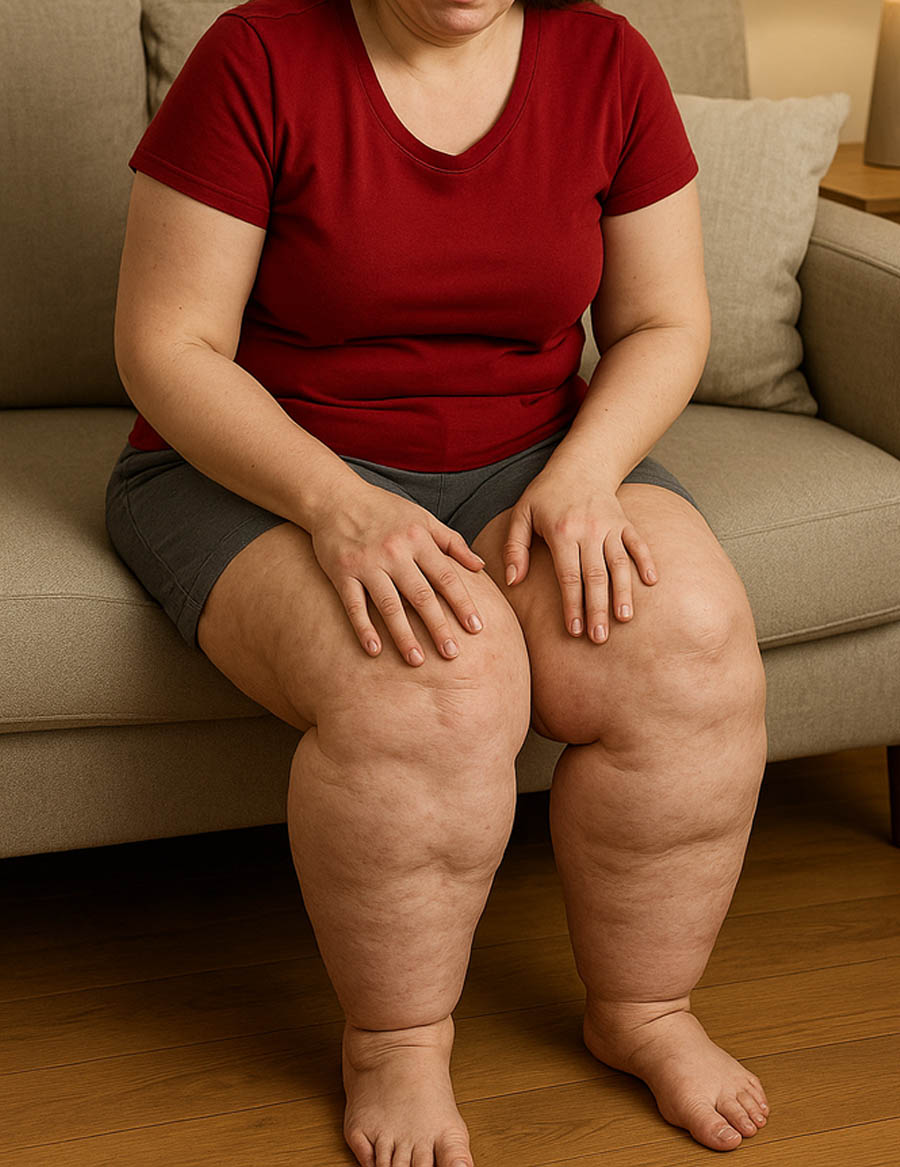
Lipedema stems from abnormal fat cell growth, influenced by genetics and hormones like estrogen. It typically emerges during puberty, pregnancy, or menopause, progressing through four stages: from soft, nodular fat in stage 1 to fibrotic, lobular deposits in stage 4. Unlike regular fat, lipedema tissue is painful to touch and resistant to weight loss efforts. A 2025 study in the Journal of Vascular and Lymphatic Disorders estimates 300,000 Canadian women are affected, yet awareness lags, leading to delayed diagnoses averaging 10-15 years.
Key symptoms include bilateral symmetry—equal impact on both sides—disproportionate lower body enlargement, and "cuffing" at ankles or wrists where normal tissue meets affected areas. Discomfort ranges from tenderness to chronic ache, worsened by pressure or standing. Bruising occurs easily due to fragile capillaries, and mobility declines as legs feel heavy. In Canada, cold weather intensifies these issues; a Canadian Lipedema Association survey (2026) found 60% of respondents in provinces like Quebec and Ontario report worsened swelling in winter, limiting activities like walking or public transit use.
Distinguishing lipedema from obesity or lymphedema is crucial. Obesity involves even fat distribution responsive to calorie deficit, while lipedema spares the torso and hands/feet. Lymphedema, often post-surgery or injury, causes asymmetric swelling from lymphatic blockage. Dr. Coeugniet's diagnostic approach at Lipœdème Montréal includes clinical exams, ultrasound to assess fat texture, and genetic screening for familial patterns. Early identification prevents progression to lipo-lymphedema, a hybrid complication.
Conservative treatments for lipedema focus on managing symptoms, reducing discomfort, and preventing progression through a combination of compression therapy, manual lymphatic drainage (MLD), and anti-inflammatory lifestyle changes. Key approaches include wearing flat-knit compression garments, engaging in low-impact exercise (swimming, cycling), following an anti-inflammatory diet, and addressing emotional health.
When conservative treatments aren’t providing adequate relief, surgical intervention becomes an important consideration for many lipedema patients.
Lipedema is a chronic condition that requires a specialized surgical approach for effective treatment. At Lipœdème Montréal, Dr. Edouard Coeugniet, MSc., use advanced, minimally traumatic technologies designed to safely remove large volumes of lipedema fat while protecting lymphatic structures, reducing complications, and improving long-term results.
Lipedema fat cells are resistant to diet and exercise. Therefore, Lipedema areas will respond less than other areas of the body. Liposuction surgery permanently removes the Lipedema fat cells in the affected areas, which decreases lipedema symptoms and improves the quality of life for most lipedema patients.
Evidence from a 2025 meta-analysis in Plastic and Reconstructive Surgery shows liposuction yields 40-60% symptoms reduction and improved mobility in 90% of cases.
Several techniques of liposuction are available, but three methods are most commonly used in treating lipedema: Enter WAL: the gold standard for lipedema surgery, as endorsed by European specialists and adopted globally.
WAL revolutionizes lipedema treatment by using a fan-shaped, pressurized water jet to gently dislodge abnormal fat while sparing surrounding structures. Developed in Germany, where Dr. Coeugniet honed his skills, WAL infuses tumescent fluid via the jet, loosening cells for low-pressure suction. This minimizes trauma, blood loss (up to 70% less than traditional methods, per 2025 studies), and bruising.
Why gold standard? WAL's lymphatic preservation is unmatched. A 2026 review in Journal of Lymphatic Research confirms it reduces secondary lymphedema risk to under 5%, compared to 15-20% with other techniques. It allows larger volume removal—4-6 liters per session—safely under local anesthesia, avoiding general risks. Multi-stage protocols address areas sequentially: calves first, then thighs, ensuring even contours.
Benefits extend beyond fat reduction. Patients experience immediate symptoms relief as pressure on nerves eases. Mobility improves, with studies showing 50% better walking scores post-WAL. Skin elasticity enhances due to less disruption, reducing dimpling. Long-term, recurrence is low if combined with CDT; Dr. Coeugniet's follow-ups show 90% satisfaction at one year.
In Canada, WAL's adoption is limited, making Dr. Coeugniet's expertise pivotal. As one of the only few lipedema specialist nationwide.
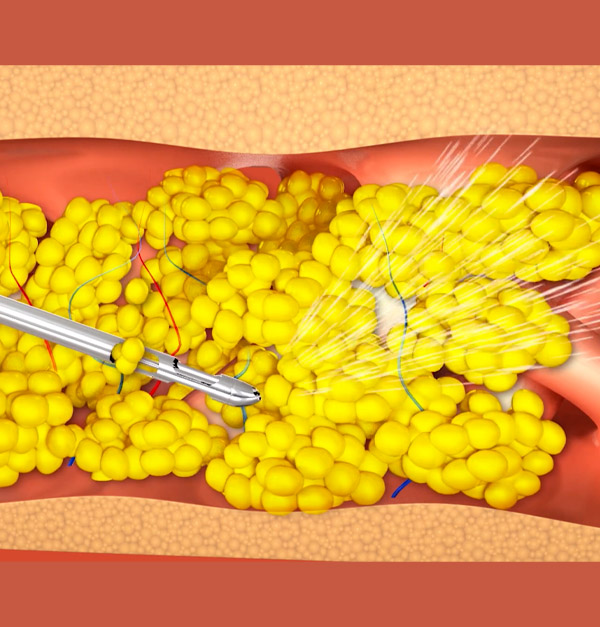

This video demonstrates how Body-Jet water-assisted liposuction works to break up unwanted fat for easy removal.
The procedure can take 1 to 4 hours depending on the size of the treatment area. Immediately after liposuction, a compression bandage is applied to the limb to control any bleeding and to prevent postoperative oedema. Antibiotics are typically prescribed as prophylaxis after the operation. When the wounds are healed after the procedure, a custom-made compression garment is worn. This garment is typically revised and refitted multiple times during the first year until the oedema volume has been reduced as much as possible.
Most lipedema patients require 1 to 3 surgeries to sufficiently treat the Lipedema affected areas. The number of surgeries is determined by the patient’s body, the amount of excess fat that needs removal, and the type of anesthesia used. In cases where general anesthesia is possible, much larger amounts of fat can be removed during each surgery. This usually significantly reduces the number of surgeries needed.
After the liposuction procedure, patients will be able to return to work and other regular activities as soon as they feel comfortable, which is usually after a few days. Exercise and other strenuous activities should be avoided for a few weeks. It is not uncommon to experience mild swelling, bruising and discomfort in the treated area, which can be reduced through pain medication and the use of compression garments.
Lipedema liposuction surgery effectively removes diseased fat, leading to significant, long-term improvements in symptoms, mobility, and body contour, with over 80-90% of patients reporting improved quality of life and reduced swelling. It reduces limb size and prevents further progression of the condition.
The final visual result of liposuction can only be fully assessed after approximately 2-6 months. It is crucial to maintain a constant weight after the operation, as significant weight gain can deteriorate the surgical outcomes.
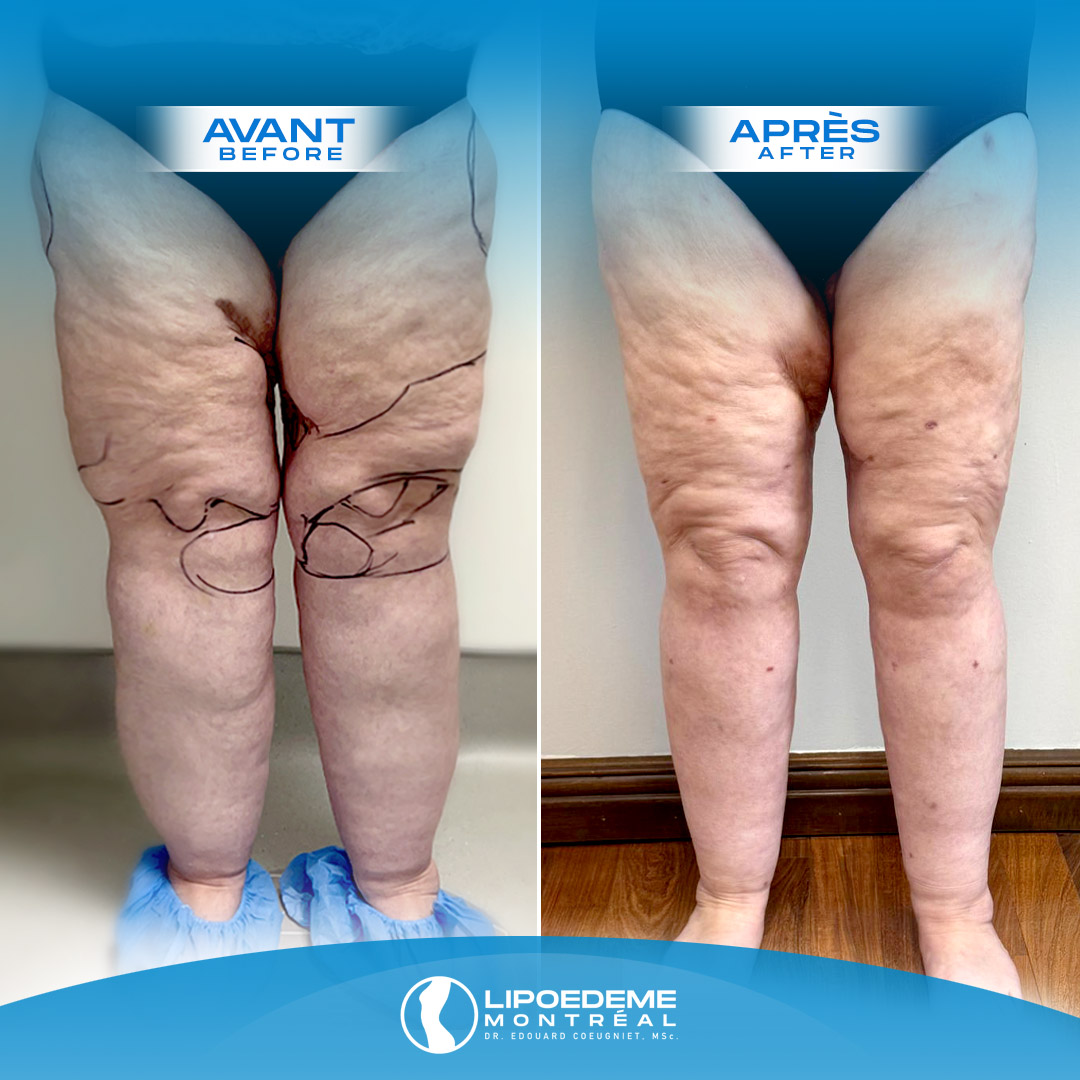
Patient's First Surgery Session
2 Months Post-Op
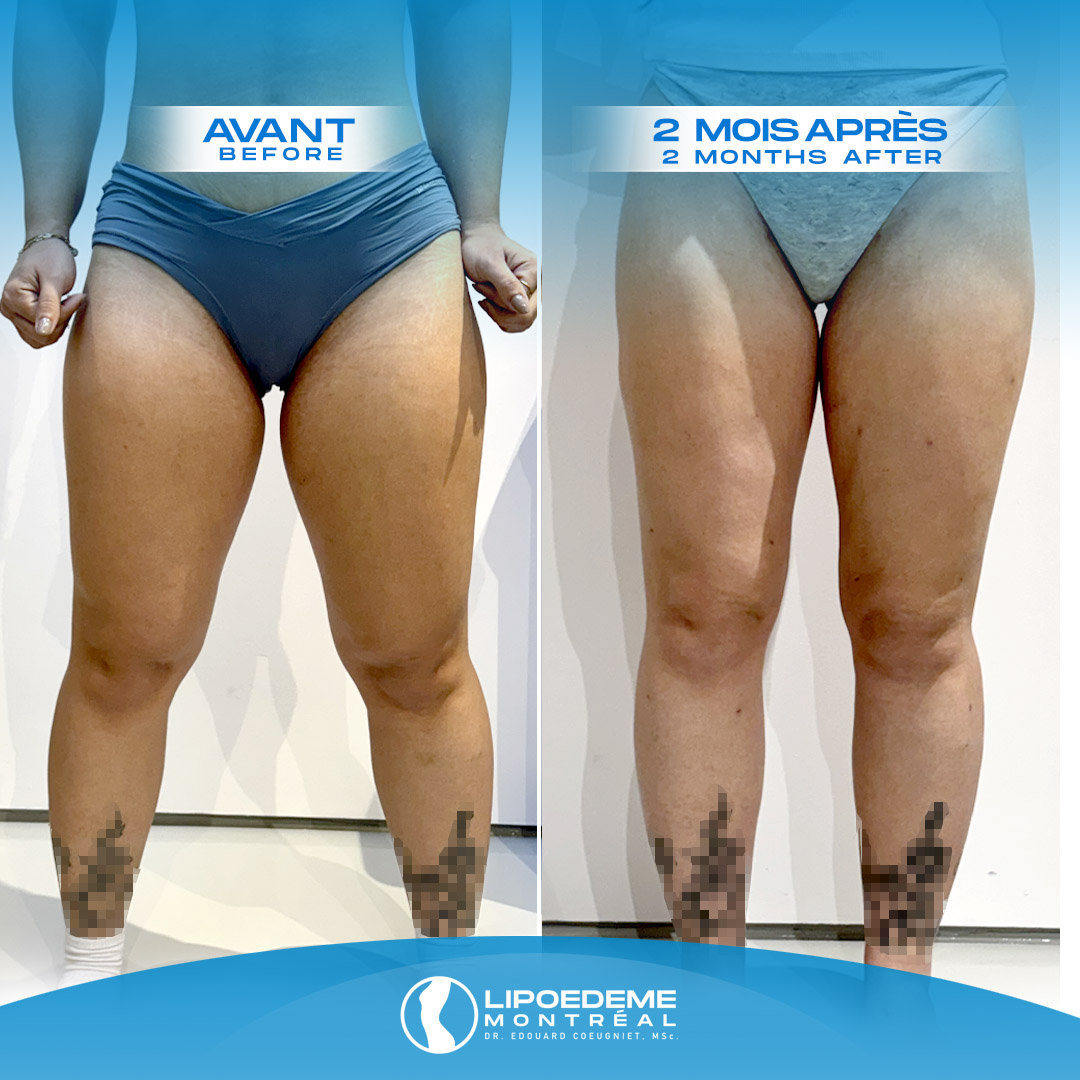
Anterior thighs (Front only)
2 Months Post-Op
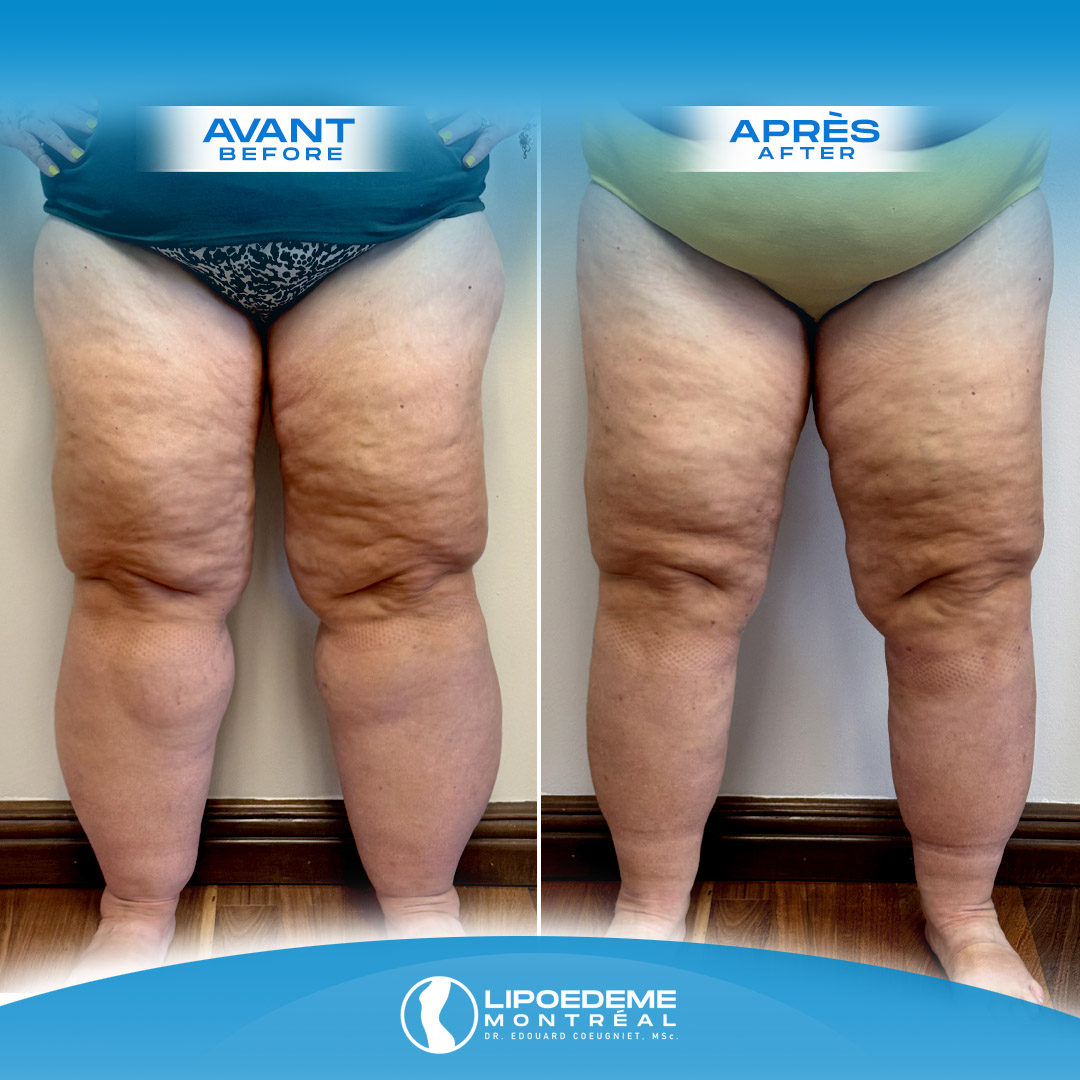
Patient's First Surgery Session
Thighs, Legs & Calves — 2 Months Post-Op
If conservative measures fail, consult a specialist. Dr. Coeugniet assesses candidacy, discussing alternatives if needed. Early WAL prevents complications, empowering women to reclaim lives.
Studies have shown a reduction in lipedema sensibility after liposuction using the WAL procedure. In addition, a shorter recovery time and a reduced tendency to swelling were found with the WAL procedure. Most of our patients are pain-free within the first few days. In most cases, no long-term conservative treatment with compression pants or lymphatic drainage is necessary after liposuction.
It is crucial to consult with a surgeon who specializes specifically in lipedema, as this condition requires a different approach than cosmetic liposuction. A proper assessment will determine the best surgical plan for your stage of lipedema.
Understanding lipedema unlocks hope. With WAL as the gold standard, guided by Dr. Coeugniet—Canada's sole expert, enriched by European collaborations—relief is achievable. Redefine your journey today.
If you are struggling with the symptoms of Lipedema and want to know more about a safe surgical plan, contact us today.
Discover the life-changing relief you've been searching for—right in the heart of Montreal! At Lipœdème Montréal, you're guided by Dr. Edouard Coeugniet, MSc, Canada's exclusive lipedema specialist and a Professor of plastic surgery at Montreal University. with over 25 years of unmatched expertise at CHUM (Centre hospitalier de l'Université de Montréal) He's transforming lives with lymphatic-sparing Water-Jet Assisted Liposuction (WAL), the undisputed gold standard that stops lipedema in its tracks, slashes chronic discomfort, and restores effortless mobility with remarkably short recovery times. Backed by elite collaborations with Europe's top pioneers from Germany and Switzerland. Dr. Coeugniet crafts personalized treatment plans that deliver proven, lasting results—empowering you to embrace freedom and confidence like never before.
BACK TO BLOGWe’ve created the most advanced techniques to relieve discomfort & help those suffering from Lipedema get their life back!
 info@lipoedememontreal.ca